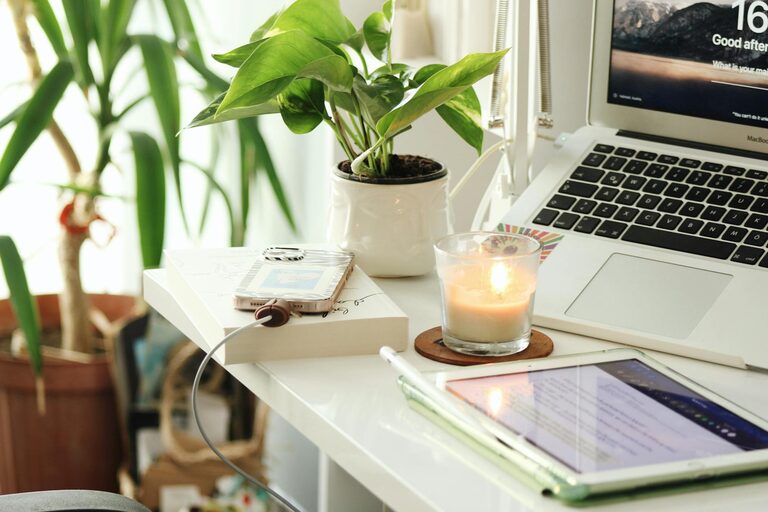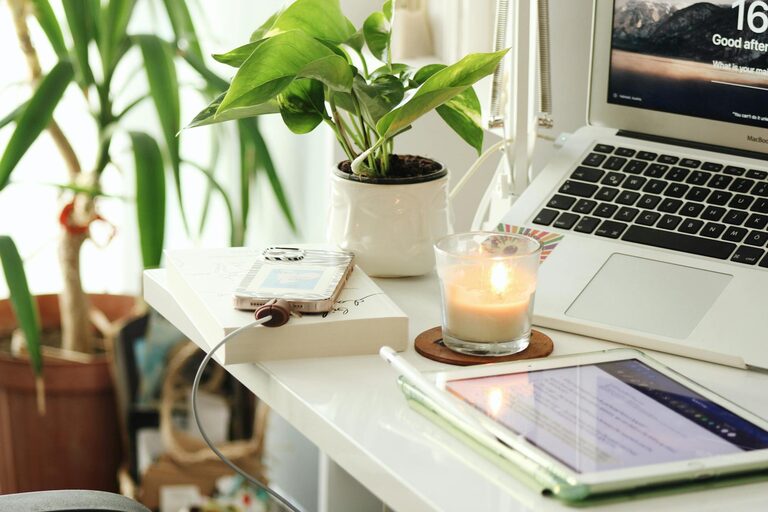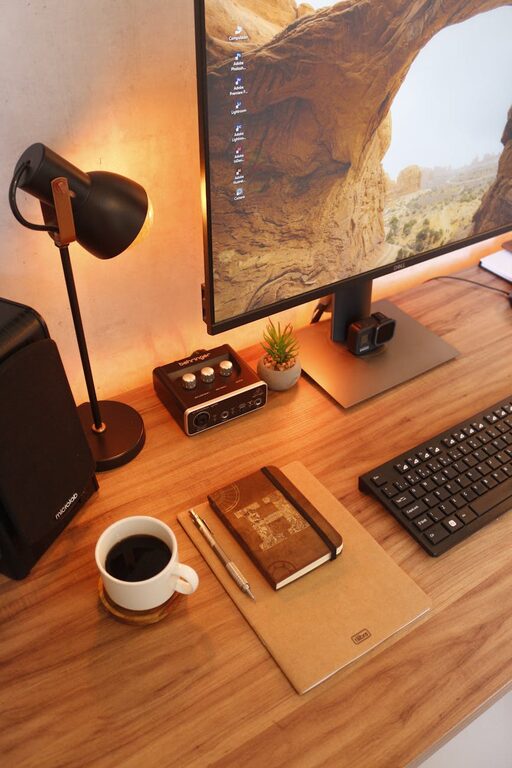

Creating a productive home office environment is essential for anyone working remotely or managing tasks from home. A well-organized and comfortable workspace not only enhances focus but also helps maintain a healthy work-life balance. Here are practical tips to help you set up an effective home office that supports your productivity.
Choose the Right Location
Selecting the best spot in your home for your office is the first step towards productivity.
– Quiet and Private: Pick a space away from household noise and distractions.
– Natural Light: Position your desk near a window to benefit from natural light, which boosts mood and alertness.
– Adequate Space: Ensure there’s enough room for your desk, chair, and any equipment or supplies you need.
Invest in Comfortable Furniture
Comfort plays a big role in helping you focus for extended periods.
– Ergonomic Chair: A chair with proper lumbar support reduces strain and promotes good posture.
– Adjustable Desk: If possible, use a desk that allows you to alternate between sitting and standing.
– Desk Height: Your desk should allow your arms to rest comfortably at a 90-degree angle.
Organize Your Workspace Efficiently
A clutter-free environment helps maintain mental clarity.
– Declutter Regularly: Remove unnecessary items and only keep essentials on your desk.
– Storage Solutions: Use shelves, drawers, or organizers to keep files and supplies tidy.
– Cable Management: Use clips or ties to prevent cables from tangling and creating a mess.
Optimize Lighting
Good lighting reduces eye strain and keeps you alert.
– Layered Lighting: Combine natural light with overhead and task lighting.
– Adjustable Desk Lamp: Brighten your workspace with a lamp you can direct where needed.
– Avoid Glare: Position screens to minimize reflection from windows or lights.
Minimize Distractions
Reducing interruptions lets you stay focused on your work.
– Turn Off Notifications: Silence non-essential alerts on your phone and computer.
– Set Boundaries: Inform household members of your work hours to minimize disruptions.
– Background Sounds: Use noise-cancelling headphones or calm background music if helpful.
Personalize Your Workspace
Adding personal touches can make your office feel inviting and motivate you.
– Plants: Incorporate greenery to improve air quality and reduce stress.
– Artwork or Photos: Display images that inspire or calm you.
– Color Scheme: Choose colors that stimulate focus, such as blues or greens.
Maintain a Routine
The structure helps reinforce work habits and productivity.
– Regular Hours: Set and stick to consistent start and end times.
– Breaks: Take short breaks every hour to stretch and rest your eyes.
– Daily Planning: Begin each day by listing tasks or goals to stay organized.
Incorporate Technology Wisely
Use tools that enhance your workflow without overwhelming you.
– Reliable Internet: Ensure your internet connection is stable for virtual meetings and tasks.
– Productivity Apps: Utilize apps for time tracking, task management, or note-taking to stay organized.
– Backup Solutions: Regularly back up important documents to cloud storage or external drives.
Prioritize Health and Well-being
Your physical and mental health impact your sustained productivity.
– Stay Hydrated: Keep a water bottle nearby and drink regularly.
– Good Ventilation: Fresh air helps maintain focus and comfort.
– Move Often: Take time to stretch or walk to avoid stiffness and improve circulation.
Final Thoughts
Designing a productive home office environment takes effort, but the benefits are well worth it. By choosing the right location, organizing thoughtfully, and prioritizing comfort and focus, you create a space that supports your best work. Remember, your workspace should evolve with your needs, so make adjustments as you discover what works best for you.
About the Author