Creating a home office that feels cozy and inviting is essential for anyone working from home or managing personal projects regularly. A comfortable workspace not only supports productivity but also helps reduce stress and increase enjoyment during work hours. Here are some practical tips to help you design a home office space that feels both functional and welcoming.
Choose the Right Location
Selecting the right spot for your home office is the first step. Ideally, choose a space with natural light, as sunlight can improve mood and energy levels. If natural light is limited, consider bright, warm artificial lighting options to minimize eye strain.
Avoid high-traffic areas where distractions are frequent. A quiet corner or spare room can serve as an excellent setting. If space is tight, create a designated workspace in a multi-use room by using room dividers or shelving units to carve out a sense of separation.
Invest in Comfortable Furniture
Comfortable, ergonomic furniture is crucial for long hours of work. A chair with proper lumbar support helps maintain good posture, reducing back pain. Look for adjustable chairs and desks to tailor the setup to your body’s needs.
A desk with enough surface area to organize your essentials—computer, notebook, stationery—can keep your workspace clutter-free and boost efficiency. Consider standing desks or convertible models if you prefer alternating between standing and sitting.
Personalize Your Space
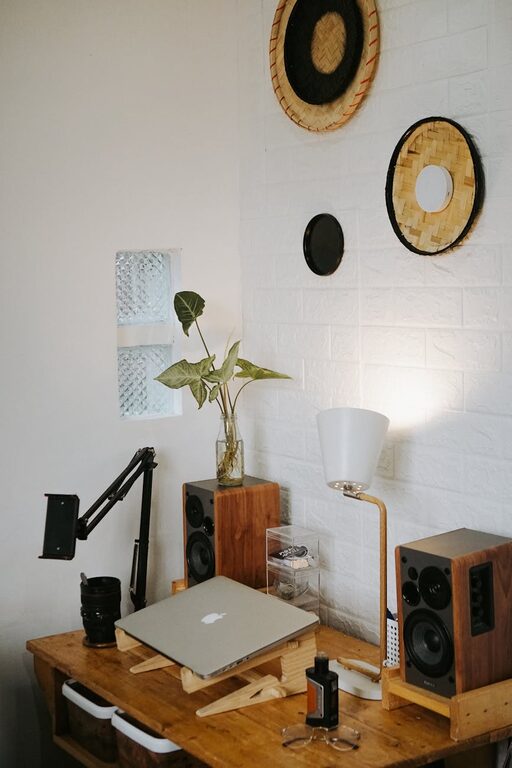
Adding personal touches turns a generic room into a cozy office. Display artwork, photographs, or items that inspire you, creating an environment that feels uniquely yours.
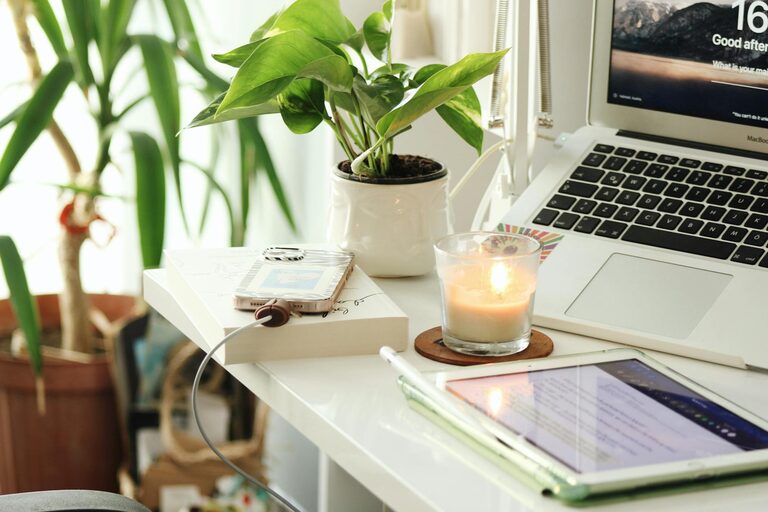
Plants are an excellent way to bring life and freshness to your office. Easy-to-care-for varieties like succulents or pothos can improve air quality and contribute to a calming atmosphere.
Optimize Lighting
Good lighting reduces eye strain and makes your office more inviting. Use a combination of ambient lighting, such as ceiling lights, and task lighting, like desk lamps. Opt for bulbs that mimic natural daylight or use adjustable color temperature lamps for flexibility depending on the time of day.
Position your desk to avoid glare on your computer screen while still benefiting from natural light. If possible, use sheer curtains to diffuse strong sunlight.
Keep It Organized
A tidy workspace is a welcoming workspace. Use organizers, trays, or drawers to store documents, cables, and office supplies neatly. Labeling storage containers can save time searching for items and maintain order.
Cable management solutions such as clips or sleeves keep wires organized and prevent tangling. A clean desk surface can clear your mind and increase focus.
Add Cozy Textiles and Scent
Soft textiles like throw blankets or cushions add warmth and comfort to your office chair or seating area. Choose fabrics that feel pleasant and are easy to clean.
Scent can influence mood as well. Light a scented candle or use a diffuser with essential oils such as lavender or peppermint to create a relaxing or invigorating environment, depending on your preference.
Incorporate Functional Decor
Decor doesn’t have to be purely aesthetic—it can support your workflow. Use bulletin boards or whiteboards to track tasks and deadlines. Stylish storage boxes or shelves not only keep things organized but add charm to your office design.
Mirrors can enhance a small room by reflecting light and making the space feel larger. Choose one with a simple frame that complements your decor.
Maintain Good Air Quality
Fresh air promotes alertness and health. If your workspace has a window, open it regularly to let in fresh air. If not, consider an air purifier to improve air quality, especially in closed rooms.
Proper ventilation helps avoid stuffiness, creating a more pleasant environment for prolonged work sessions.
Establish a Routine and Boundaries
A cozy and inviting space becomes even better when paired with clear boundaries. Define your work hours and break times to maintain a good work-life balance. Communicate your schedule with family or housemates to minimize interruptions.
Keep your workspace reserved for work-related activities only. Separating work and leisure within your home helps your brain recognize when it’s time to focus.
—
By thoughtfully arranging your furniture, lighting, and personal touches, you can create a home office that welcomes you each day. A cozy and inviting workspace not only supports your efficiency but also makes working from home more enjoyable. Take the time to design a space that fits your needs, and you’ll likely find your motivation and well-being improve significantly.
About the Author