Creating a relaxing home office environment is essential for maintaining focus, reducing stress, and boosting productivity. Whether you work from home full-time or occasionally, having a dedicated space that promotes calmness can make a big difference in how you feel and perform throughout the day. In this post, we’ll explore practical tips to help you design a home office that feels inviting and peaceful.
Choose the Right Location
Start by selecting a spot in your home that can serve as your workspace. Ideally, this should be a quiet area away from high-traffic zones and distractions. If possible, opt for a room with a door so you can separate work time from personal time easily. Natural light is also a valuable asset, so pick a location near a window to brighten your space and boost your mood.
Invest in Comfortable Furniture
Your furniture plays a major role in your comfort and overall relaxation during work hours.
Ergonomic Chair and Desk
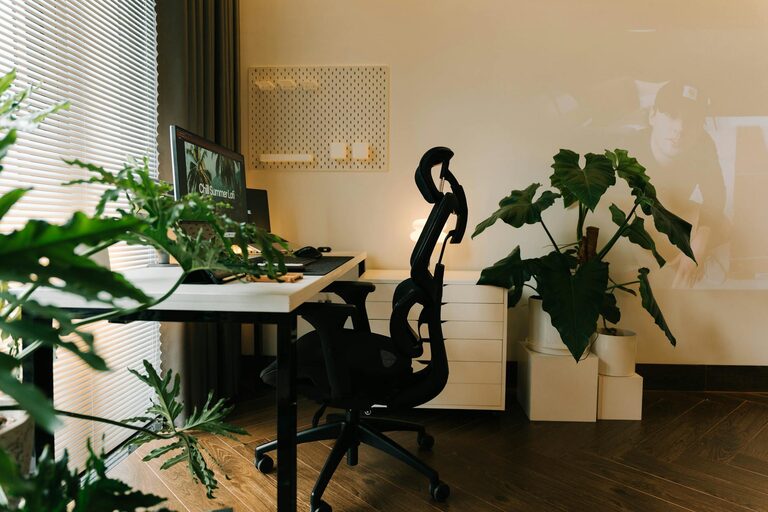
Choose an ergonomic chair that supports your posture and reduces strain on your back and neck. Adjustable chairs allow you to find the best height and angle for your body. Pair it with a desk at a comfortable height to avoid hunching over your work. Standing desks or desk converters are great options if you want the flexibility to alternate between sitting and standing.
Add Soft Textures
Incorporate cushions, rugs, or soft throw blankets near your workspace to add warmth and comfort. These touches help create a cozy atmosphere, making it easier to feel relaxed and focused.
Declutter and Organize
A tidy space equals a tidy mind. Clutter can be distracting and stressful, so keep your home office organized.
Use Storage Solutions
Make use of shelves, drawers, and boxes to store supplies neatly. Keeping only the essentials on your desk helps maintain a clean and inviting workspace.
Develop Clear Systems
Create simple organization systems for papers, bills, and tools. For example, file folders, trays, or labeled bins can make it easier to find what you need without frustration.
Control Lighting and Noise
Proper lighting and noise control significantly impact your comfort and concentration.
Optimize Lighting
In addition to natural light, use soft, adjustable lighting such as desk lamps or floor lamps with warm bulbs. Avoid harsh fluorescent lights, which can cause eye strain and tension.
Manage Noise Levels
If outside noise distracts you, consider using noise-cancelling headphones or white noise machines. Alternatively, play gentle instrumental music that helps you focus without causing distraction.
Personalize Your Space
Adding personal touches can make your workspace feel more inspiring and less sterile.
Choose Calming Colors
Paint walls or add décor in soothing colors like soft blues, greens, or neutrals. These shades tend to create a relaxing vibe and help reduce anxiety.
Incorporate Plants
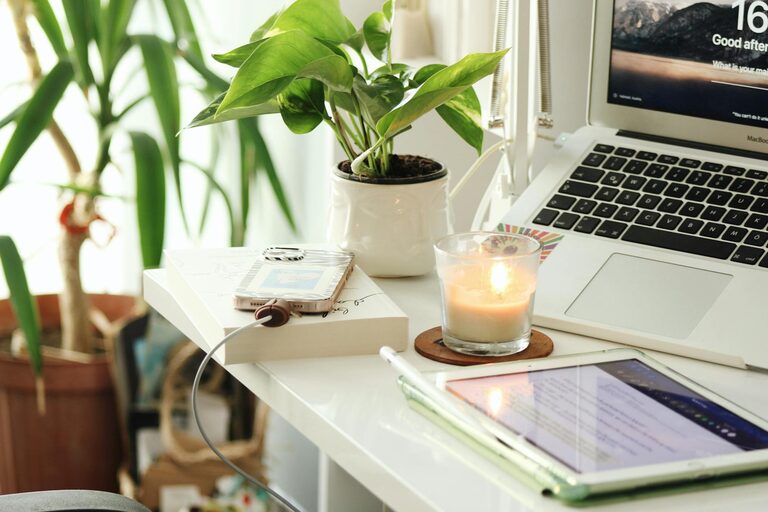
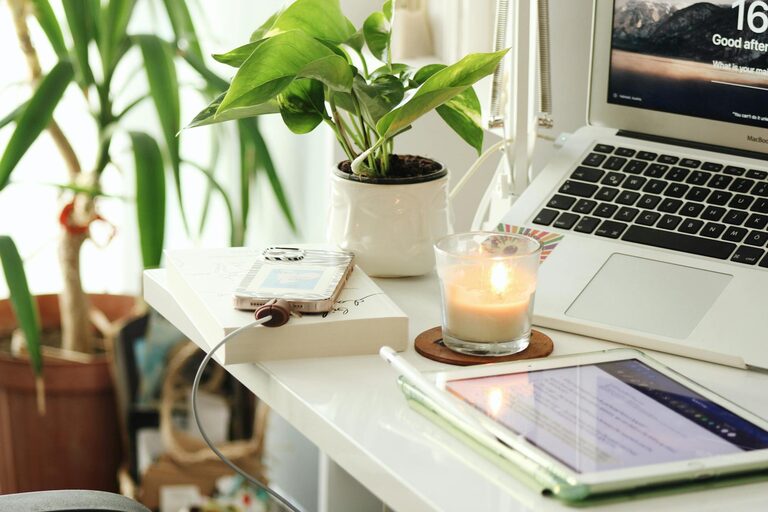
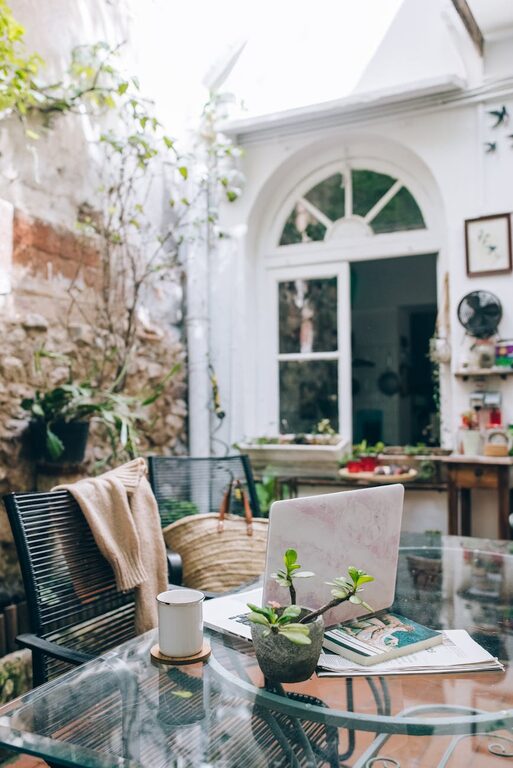
Indoor plants not only add a splash of greenery but also improve air quality and create a sense of calm. Easy-to-care-for plants like succulents, pothos, or spider plants are ideal for busy work environments.
Add Artwork or Photos
Display artwork, quotes, or photos that motivate you or bring joy. This can provide positive energy and make your office feel uniquely yours.
Take Regular Breaks and Move
A relaxing home office is not just about the physical space but also about how you use it. Remember to take regular breaks during your workday.
Stretch and Move Around
Set a timer to remind yourself to stand up, stretch, or take a short walk every hour. Movement helps prevent stiffness and refreshes your mind.
Create a Relaxation Corner
If space allows, set up a small area with a comfortable chair or cushions where you can pause for a few minutes during breaks. Use this spot for stretching, deep-breathing exercises, or a quick mindfulness moment.
Use Technology Wisely
Technology can either enhance your workspace or cause unnecessary stress.
Choose Quality Equipment
Invest in reliable devices and accessories like a good keyboard, mouse, and monitor. Comfortable and efficient tools reduce frustration and improve workflow.
Minimize Digital Clutter
Keep your computer desktop and files organized. Close unnecessary tabs and use apps that help manage your tasks without overwhelming you.
Maintain a Healthy Environment
Finally, ensure your home office supports your overall well-being.
Keep the Air Fresh
Open windows regularly or use an air purifier to maintain good air quality. Fresh air and proper ventilation help you stay alert and comfortable.
Stay Hydrated and Nourished
Keep a water bottle handy and have healthy snacks nearby to stay energized throughout the day.
—
Creating a relaxing home office environment is a balance of organization, comfort, and personalization. By implementing these tips, you can transform your workspace into a peaceful retreat that supports your productivity and well-being. Remember, your workspace should be a place where you feel calm, focused, and ready to tackle the day’s tasks.
About the Author