Creating a productive home office environment can transform your work-from-home experience. Whether you’re new to remote work or looking to improve your current space, thoughtful adjustments can make a big difference. In this post, we’ll explore practical tips to help you design a workspace that supports your focus, comfort, and efficiency.
Why a Productive Home Office Matters
Your home office isn’t just a place where you complete tasks—it sets the tone for your workday. A well-organized, comfortable space can boost concentration, reduce stress, and encourage a positive work routine. On the other hand, a cluttered or uncomfortable setup may hinder your productivity and lower motivation.
Choosing the Right Location
Consider Natural Light
Whenever possible, choose a spot with plenty of natural light. Sunlight improves mood and energy, which can help keep you alert. Position your desk near a window but be mindful of screen glare.
Minimize Distractions
Select a quiet area away from high-traffic zones in your home. This reduces distractions like noise and interruptions. If space is limited, use room dividers or noise-cancelling headphones to create a focused atmosphere.
Ergonomic Setup for Comfort and Health
Invest in a Good Chair
A supportive, adjustable chair is essential for maintaining good posture and reducing back pain. Look for features like lumbar support and adjustable height to suit your body.
Position Your Desk Properly
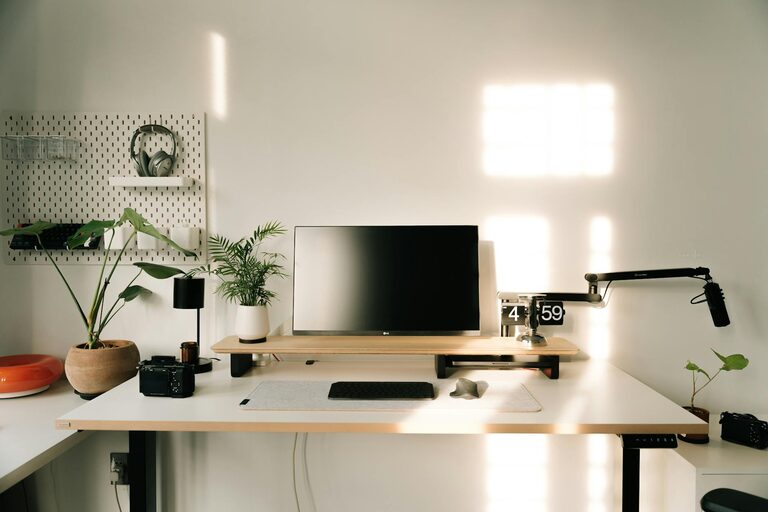
Your desk should allow your arms to rest comfortably at a 90-degree angle when typing. The top of your monitor should be at or slightly below eye level to avoid neck strain.
Use Accessories Wisely
Consider adding wrist rests, footrests, or monitor stands if needed. These tools help maintain ergonomic alignment and can reduce fatigue during long work hours.
Organizing Your Workspace
Declutter Regularly
Keep your desk tidy by removing unnecessary items. Use trays, drawers, or organizers for paperwork and supplies. A clean space helps clear your mind.
Create Zones
Designate areas on your desk or in your room for specific tasks—like computer work, paperwork, or phone calls. This can increase efficiency by reducing time spent switching focus.
Digital Organization
Keep your digital workspace orderly too. Use folders and apps to organize files and emails, which can save time searching for documents.
Personalizing Your Environment
Add Plants
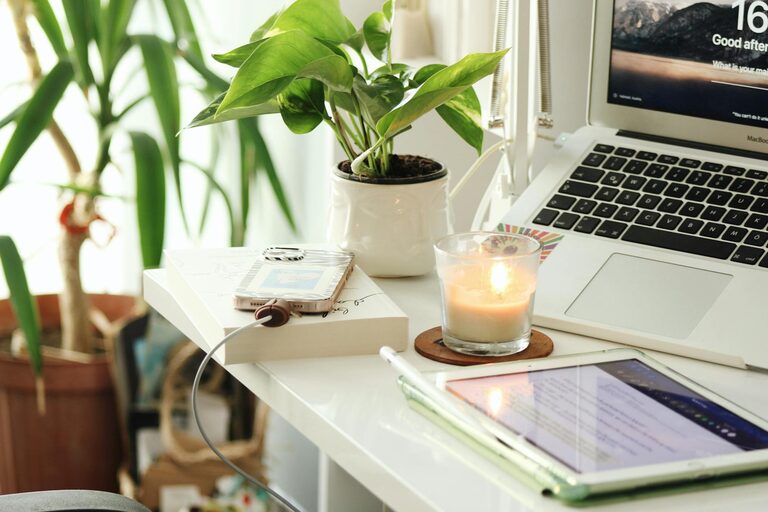
Indoor plants not only improve air quality but also create a calming atmosphere. Choose low-maintenance plants like succulents or pothos.
Use Inspiring Decor
Incorporate items that motivate you, like photos, artwork, or a vision board. Personal touches make your space more inviting without causing distraction.
Control Lighting Temperature
Use adjustable lighting options to suit different times of day. Warm light can help you relax, while cooler light may boost alertness.
Managing Time and Breaks
Set a Schedule
Establish clear working hours to maintain balance between work and personal time. Stick to your schedule as much as possible to build consistency.
Take Regular Breaks
Breaks improve focus and reduce the risk of burnout. Try techniques like the Pomodoro method—working for 25 minutes, then taking a 5-minute break.
Create a Closing Ritual
At the end of your workday, perform a routine that helps you disconnect, such as tidying up your desk or shutting down your computer. This signals your brain that work time is over.
Leveraging Technology
Use Productivity Tools
Apps for task management, time tracking, or note-taking can enhance organization and accountability. Find tools that align with your workflow.
Ensure Reliable Internet and Equipment
A strong internet connection and functioning devices prevent frustrating interruptions. Regular maintenance and backups safeguard your work.
Maintaining Work-Life Balance
Separate Work and Leisure
Try to keep your work area distinct from relaxation spaces. This separation helps your mind switch between professional and personal modes.
Communicate Boundaries
If you share your space with others, communicate your work hours and need for focused time. Clear boundaries reduce distractions and misunderstandings.
—
A productive home office is all about creating a space where you can work comfortably and efficiently. By choosing the right environment, organizing thoughtfully, and incorporating personal touches, you’ll set yourself up for success. Remember, small changes can make a significant impact over time. Start with one or two tips and adjust your setup as you learn what works best for you. Happy working!
About the Author