Creating a cozy and inviting home office can transform your workday. A well-designed space not only improves focus but also makes spending hours at your desk more enjoyable. Whether you work from home full-time or occasionally need a quiet spot, these tips will help you craft a welcoming environment that combines comfort and functionality.
Choose the Right Location
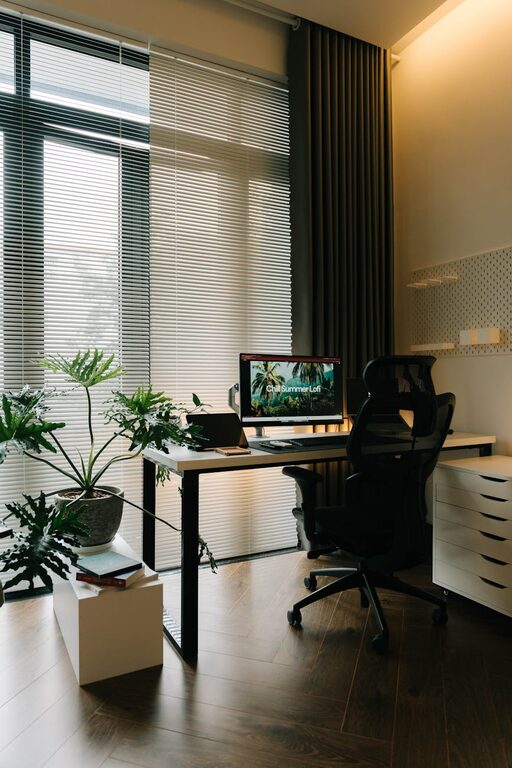
Start by selecting a spot in your home that suits your work style and daily routine. Consider areas with natural light, which helps reduce eye strain and lift your mood. If possible, pick a space that is quiet and free from distractions like TV noise or household traffic.
Tips for location:
– Near a window for natural light and a pleasant view.
– Away from busy areas like kitchens or living rooms.
– Space that fits your needs without feeling cramped.
Invest in Comfortable Seating
A good chair is essential. Look for one that supports your back and encourages good posture since you’ll spend many hours seated. Comfort helps prevent fatigue and discomfort, making your work sessions more efficient.
Things to look for in a chair:
– Adjustable height and tilt.
– Proper lumbar support.
– Cushioned seat and breathable fabric.
Personalize Your Desk Setup
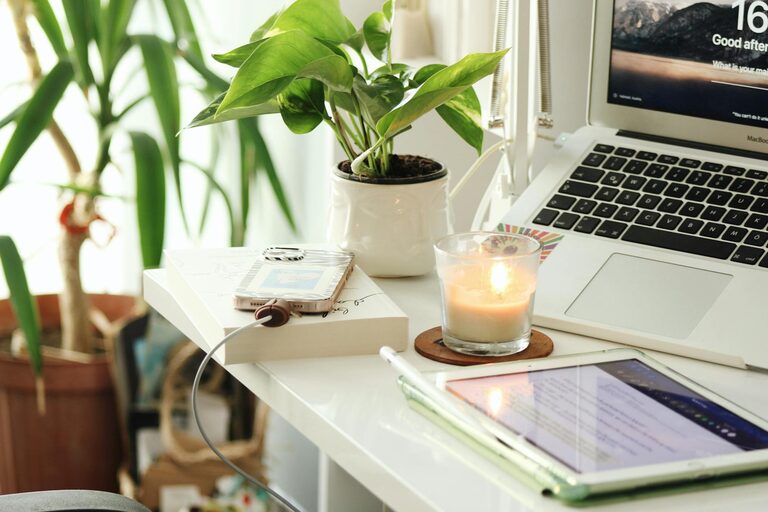
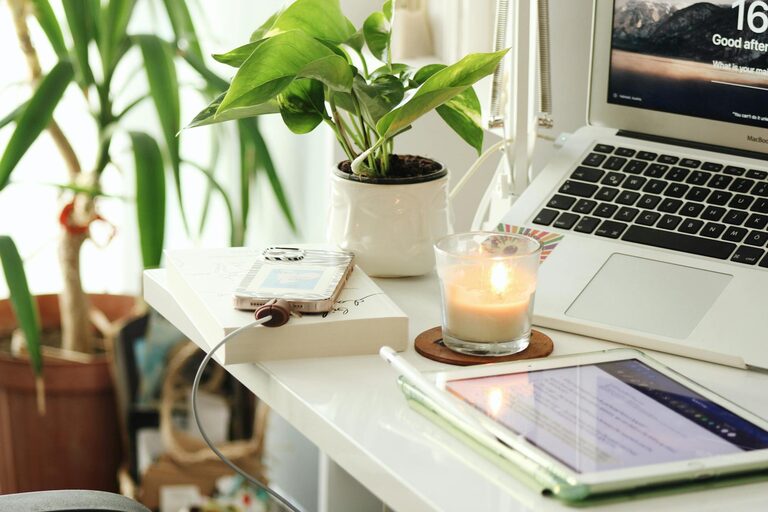
Your desk should be both practical and personalized. Keep your most-used items within reach to minimize distractions. But don’t hesitate to add personal touches like a favorite photo, a small plant, or artwork that inspires you.
Desk setup ideas:
– Use organizers to keep pens, papers, and gadgets tidy.
– Place a desk lamp for extra lighting during darker hours.
– Add a mouse pad or wrist rest to improve comfort.
Incorporate Warm Textures and Colors
Warm colors and cozy textures can make your space feel inviting. Think soft rugs, cushions, or a throw blanket. Colors like soft blues, greens, or neutrals often create a calm atmosphere, but choose what makes you feel relaxed and focused.
Suggestions for cozy accents:
– A soft area rug under your desk or chair.
– Cushions for your chair or nearby seating.
– Curtains or blinds that filter light softly.
Optimize Lighting
Good lighting is crucial for reducing eye strain and maintaining energy. Combine natural light with quality artificial options. Use a mix of overhead lights and task lighting to create a balanced environment.
Lighting tips:
– Use LED bulbs for energy efficiency and less heat.
– Position lamps to avoid screen glare.
– Adjustable light sources let you tailor brightness to the time of day.
Declutter and Organize
A clutter-free space can help clear your mind and keep you focused. Establish storage solutions to hide papers and supplies when not in use. Regularly tidying your desk can prevent mess from building up.
Organizing ideas:
– Use shelves, filing cabinets, or baskets.
– Digitalize documents to reduce paper pile-up.
– Create a routine to tidy up at the end of each day.
Add Greenery
Indoor plants bring life and freshness to your office. They also improve air quality and can boost your mood and creativity. Choose low-maintenance plants if you’re new to caring for greenery.
Easy-care plants:
– Succulents and cacti.
– Pothos or spider plants.
– Snake plant (also known as mother-in-law’s tongue).
Use Sound to Create Ambiance
Background sounds or music can sometimes enhance concentration. Depending on your preferences, try soft instrumental music, white noise, or nature sounds.
Sound ideas:
– Bluetooth speakers or small sound machines.
– Noise-cancelling headphones to block distractions.
– Apps that offer calming playlists or focus-enhancing tracks.
Maintain a Routine and Set Boundaries
An inviting office is not only about decor but also how you use the space. Define work hours and try to stick to them. This helps create a mental boundary between work and relaxation.
Tips for work-life balance:
– Start your day with a simple routine like stretching or making a cup of tea.
– Take short breaks to avoid burnout.
– Close your office door or pack away work items when the workday ends.
—
Designing a cozy and inviting home office doesn’t require a huge budget or expert skills. By focusing on comfort, organization, and personal touches, you can create a workspace that supports your productivity and wellbeing. Take small steps to improve the space, and enjoy the benefits of working in a place that feels both welcoming and practical.
About the Author